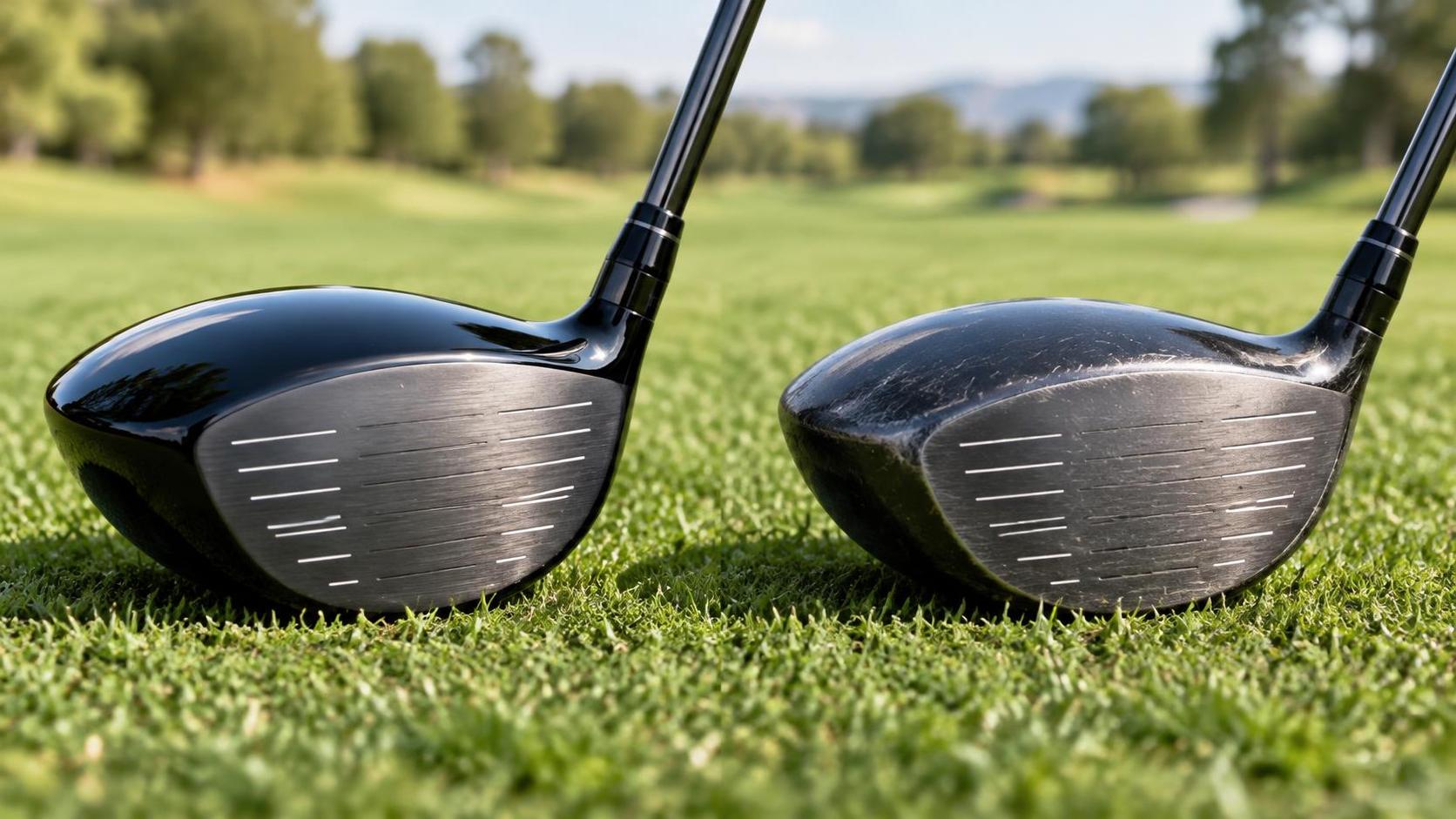
Buying golf clubs is a significant investment.
A new driver can cost hundreds of dollars, while a complete set of premium clubs can cost considerably more.
But there is another option that many golfers overlook:
Pre-owned golf equipment.
The pre-owned market allows golfers to purchase equipment from previous model years, lightly used clubs, and premium equipment at significantly lower prices.
So which is better — new or pre-owned?
The answer depends on your budget, playing level, preferences, and how much value you place on having the latest equipment.
The Advantages of Buying New Golf Clubs
The biggest advantage of new equipment is obvious:
Everything is brand new.
You know exactly what you are getting, and the clubs have not previously been used by another golfer.
Latest Technology
New equipment typically features the latest designs and technologies.
Manufacturers continuously introduce new drivers, irons, wedges, and putters designed around different player needs.
If having the newest equipment matters to you, buying new is the simplest option.
Customization
New clubs can often be ordered with specifications such as:
- Shaft
- Flex
- Length
- Grip
- Loft
- Lie angle
This can be especially valuable for golfers who already understand their equipment requirements.
Condition
There is no previous wear to inspect.
The clubface, grooves, grip, shaft, and finish are all factory-new.
The Disadvantages of Buying New
The biggest disadvantage is price.
Golf equipment can lose value quickly as new generations are introduced.
A club that was released at a premium price may become considerably more affordable once newer models enter the market.
For a golfer who is still developing their swing, paying full retail for the latest technology may not always provide the best return.
Why Buy Pre-Owned Golf Clubs?
The biggest advantage is simple:
Value.
Pre-owned equipment can allow golfers to purchase higher-end clubs for less money.
Instead of buying a brand-new entry-level driver, for example, a golfer may be able to find a previous-generation premium driver within the same budget.
This can be particularly attractive for:
- Beginners
- High-handicap golfers
- Recreational players
- Golfers building a second set
- Players upgrading only part of their bag
Is Pre-Owned Golf Equipment Safe?
Yes — provided you buy carefully.
A used golf club is not automatically a bad golf club.
Golf clubs are designed to withstand repeated use, and normal cosmetic wear does not necessarily mean that a club has lost its performance.
However, condition matters.
Before purchasing a pre-owned club, pay attention to several areas.
1. Check the Clubface
The clubface receives repeated impact, so it deserves close attention.
Look for:
- Excessive wear
- Deep scratches
- Cracks
- Unusual dents
- Damage around the face
Some normal ball marks are expected.
The important distinction is between cosmetic wear and structural damage.
2. Inspect the Grooves
Grooves are particularly important on irons and wedges.
Severely worn grooves can affect spin and consistency.
If a wedge has clearly been used for years, inspect the grooves carefully before buying.
3. Examine the Shaft
Look for:
- Cracks
- Bends
- Dents
- Damage near the hosel
- Signs of previous repairs
The shaft specification is also important.
Make sure the shaft flex, length, and other specifications are appropriate for your swing.
4. Check the Grip
Golf grips naturally wear over time.
A worn grip does not necessarily make a club a bad purchase because grips can be replaced.
However, the cost of replacement should be considered when calculating the real value of the club.
5. Check the Hosel
The connection between the shaft and clubhead deserves attention.
Look for signs of:
- Movement
- Cracks
- Improper repairs
- Damage
This is particularly important with adjustable drivers and woods.
New or Pre-Owned: Which Is Better?
There is no universal winner.
| Factor | New | Pre-Owned |
|---|---|---|
| Price | Higher | Lower |
| Condition | Factory new | Varies |
| Latest technology | Usually | Not always |
| Selection of older models | Limited | Excellent |
| Customization | Excellent | Depends on inventory |
| Value | Good | Often excellent |
| Beginner friendly | Yes | Yes |
Who Should Buy New?
New equipment can make sense if:
- You want the latest technology.
- You know your exact specifications.
- You want a factory-new product.
- Budget is less important than having exactly what you want.
- You are replacing equipment that you intend to use for several years.
Who Should Buy Pre-Owned?
Pre-owned equipment can be particularly attractive if:
- You are new to golf.
- You have a limited budget.
- You want premium equipment for less.
- You are experimenting with different clubs.
- You do not need the newest generation.
- You are upgrading one club at a time.
The Smartest Approach: Mix New and Pre-Owned
You do not necessarily have to choose one or the other.
Many golfers can build a better bag by combining new and pre-owned equipment.
For example:
New grips + pre-owned irons + newer driver + used wedges + new golf balls.
This approach allows you to put your money where it matters most.
Whichever way you go, the clubs still need to suit your swing. Read next: How to Choose the Right Golf Clubs for Your Game
Final Thoughts
Buying pre-owned does not mean settling for inferior equipment.
In many cases, it means getting more golf equipment for your money.
The key is buying from a seller who clearly describes the condition and specifications of each club.
At Golf Gear House, the goal is simple:
Better gear. Smarter choices.