There is no such thing as one perfect golf club for every golfer.
The best driver for a low-handicap player may be completely wrong for a beginner.
The same applies to irons, wedges, hybrids, and putters.
Your ideal equipment depends on how you swing, how consistently you strike the ball, what you are trying to improve, and how you play the game.
Here is how to approach the decision.
Start With Your Skill Level
The first question is simple:
How experienced are you?
Beginner
Beginners generally benefit from forgiving equipment.
Look for:
- Larger clubheads
- Forgiving faces
- Higher launch
- Game-improvement irons
- Hybrids
- Stable putters
The objective is to make inconsistent contact less punishing.
Just starting out? See our complete buying guide for beginners.
Intermediate Golfer
Intermediate golfers often have a better understanding of their swing.
At this level, equipment can be selected more precisely around:
- Distance
- Ball flight
- Shot shape
- Spin
- Feel
- Dispersion
Advanced Golfer
Experienced players may prioritize control and workability over maximum forgiveness.
They may also have very specific preferences regarding:
- Shaft profile
- Lie angle
- Loft
- Head shape
- Center of gravity
- Launch characteristics
Handicap Matters
Your handicap can provide useful context when choosing equipment.
A high-handicap golfer may benefit from clubs designed to make mishits more playable.
A lower-handicap golfer may want more control over trajectory and shot shape.
But handicap should not be the only factor.
Two golfers with the same handicap can have completely different swings.
Swing Speed
Swing speed is another important consideration.
It can influence:
- Shaft flex
- Launch
- Ball flight
- Distance
- Spin
- Club selection
A golfer with a slower swing may benefit from equipment designed to help launch the ball higher.
A faster swinger may require a different shaft profile and flex.
The important point is that shaft flex should not be selected simply by guessing.
If you have access to a launch monitor or professional fitting, use the data.
Choosing the Right Driver
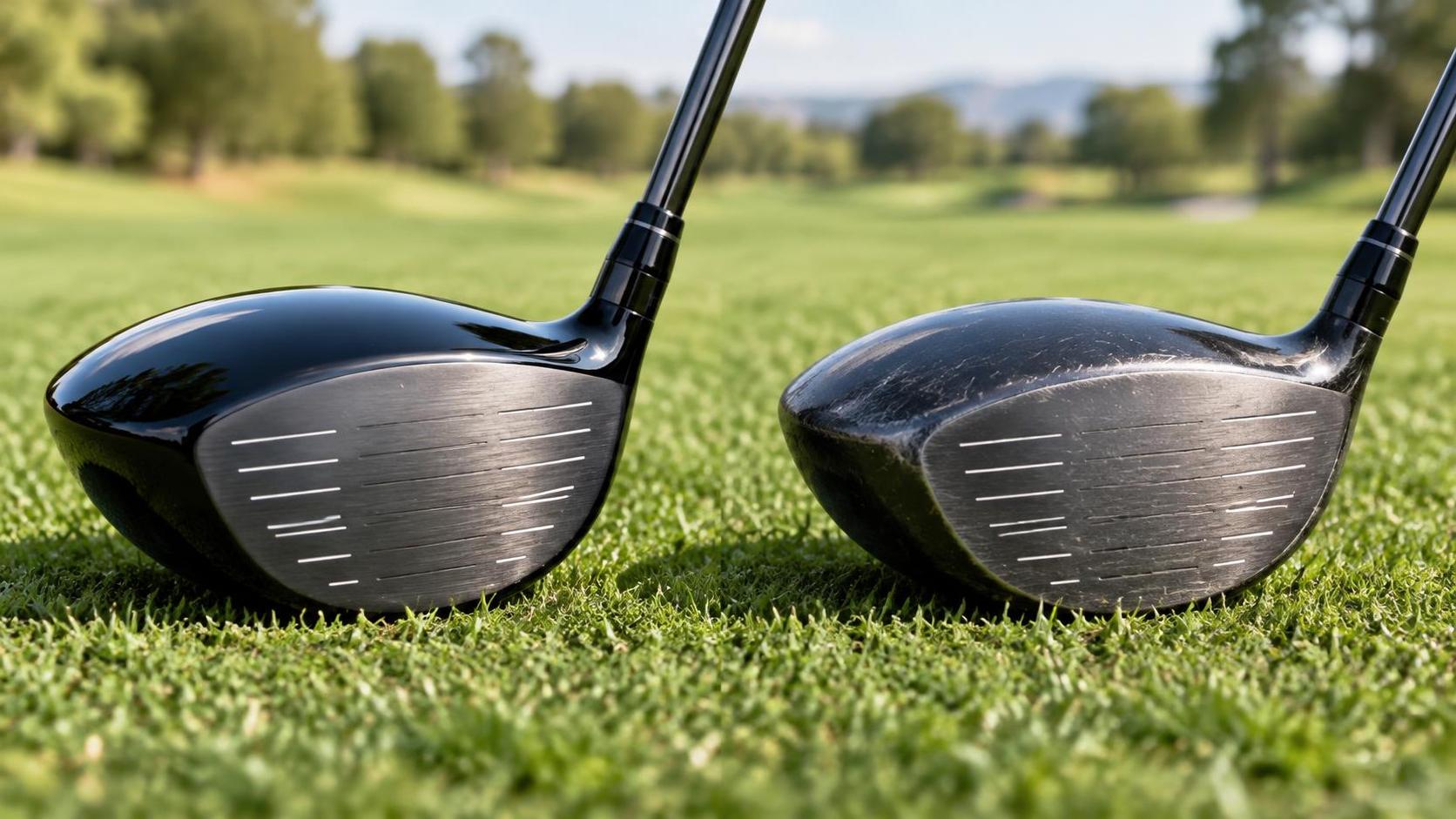
The driver is designed primarily for distance from the tee.
For many golfers, forgiveness should be one of the first things to consider.
Ask:
Do I need more distance or more consistency?
For a high-handicap golfer, keeping the ball in play can be more valuable than gaining a few extra yards.
Consider:
- Loft
- Head size
- Adjustability
- Shaft
- Launch characteristics
- Dispersion
Fairway Woods
Fairway woods are useful for longer shots from the fairway or tee.
Common choices include:
- 3-wood
- 5-wood
- 7-wood
Not every golfer needs all three.
Many recreational golfers find a 5-wood easier to hit than a 3-wood.
Hybrids
Hybrids are among the most versatile clubs in a modern golf bag.
They can replace difficult long irons and provide an easier option for longer approach shots.
A golfer who struggles with a 4-iron may find a 4-hybrid considerably easier to launch.
This is one reason hybrids have become so popular among recreational golfers.
Choosing Irons
When choosing irons, consider three major factors:
Forgiveness
How well does the club perform when you do not hit the center?
Launch
How easily can you get the ball into the air?
Feel
How does the club feel at impact?
Beginners and higher-handicap players often benefit from forgiving game-improvement irons.
More experienced players may prefer a smaller head and greater control.
Don't Forget the Wedges
Wedges are responsible for many of the scoring shots around the green.
Common wedge lofts include:
- Pitching wedge
- Gap wedge
- Sand wedge
- Lob wedge
Rather than choosing wedges individually without considering your set, look at the loft gaps between your clubs.
You want your wedges to cover useful distances without large gaps.
Choosing a Putter
The putter may be the most personal club in the bag.
There are many designs, but two broad categories are:
Blade Putters
Traditional, compact designs.
Mallet Putters
Larger heads that can offer different alignment and stability characteristics.
Neither is automatically better.
The right putter is the one that gives you confidence over the ball and produces a repeatable stroke.
Don't Buy Clubs Based Only on Price
Expensive does not automatically mean better for your game.
A $700 driver with the wrong shaft or loft may perform worse for you than a less expensive club that fits your swing.
Think about equipment as a system.
Clubhead + loft + shaft + length + lie + grip
all influence how the club performs.
Should You Get Fitted?
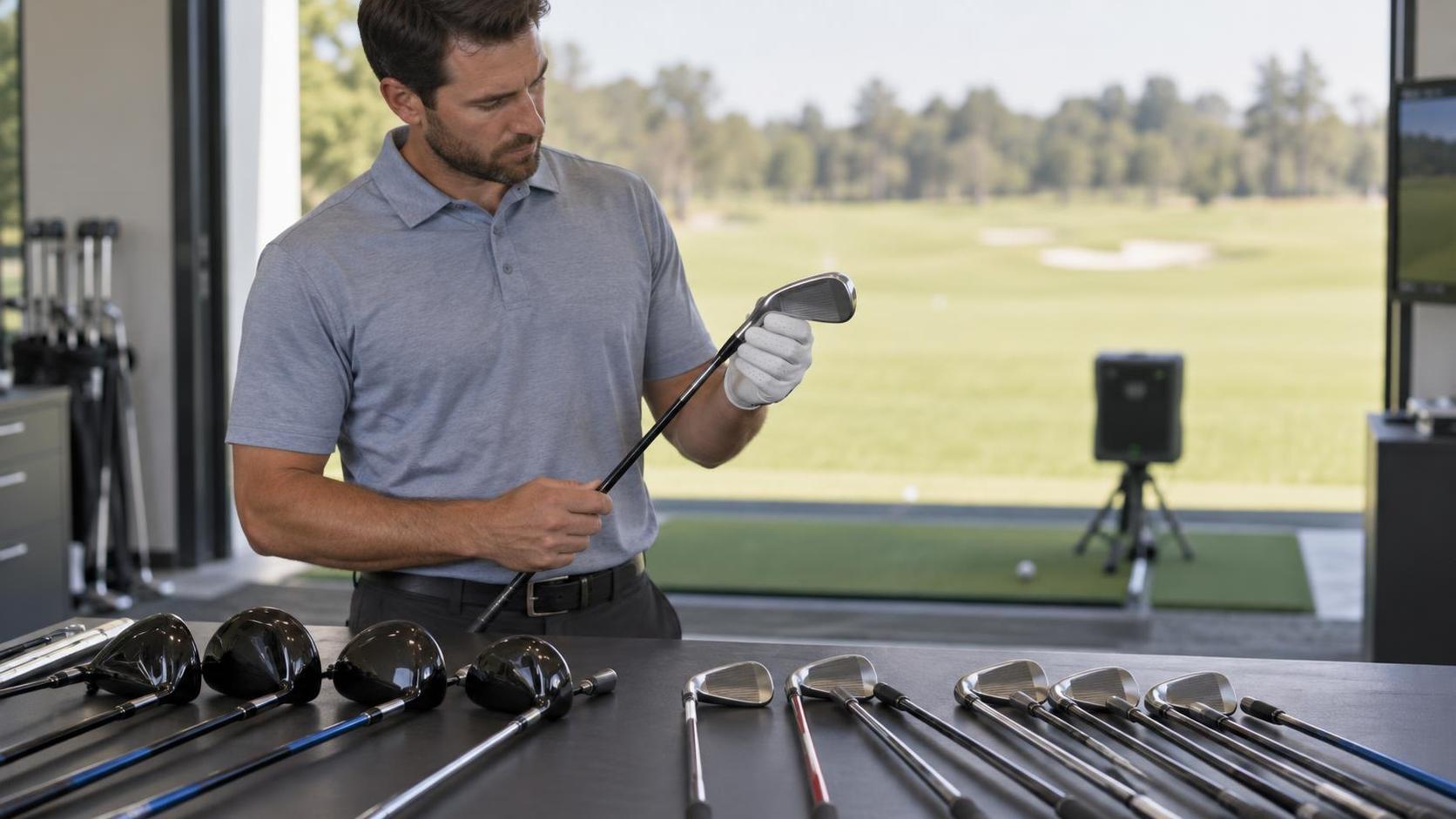
If you are investing significantly in new equipment, a fitting can be worthwhile.
A professional fitting can help determine:
- Clubhead
- Shaft
- Flex
- Length
- Lie
- Loft
- Launch
- Spin
- Ball speed
- Dispersion
You do not need to become an equipment expert before buying.
Good data can make the decision much easier.
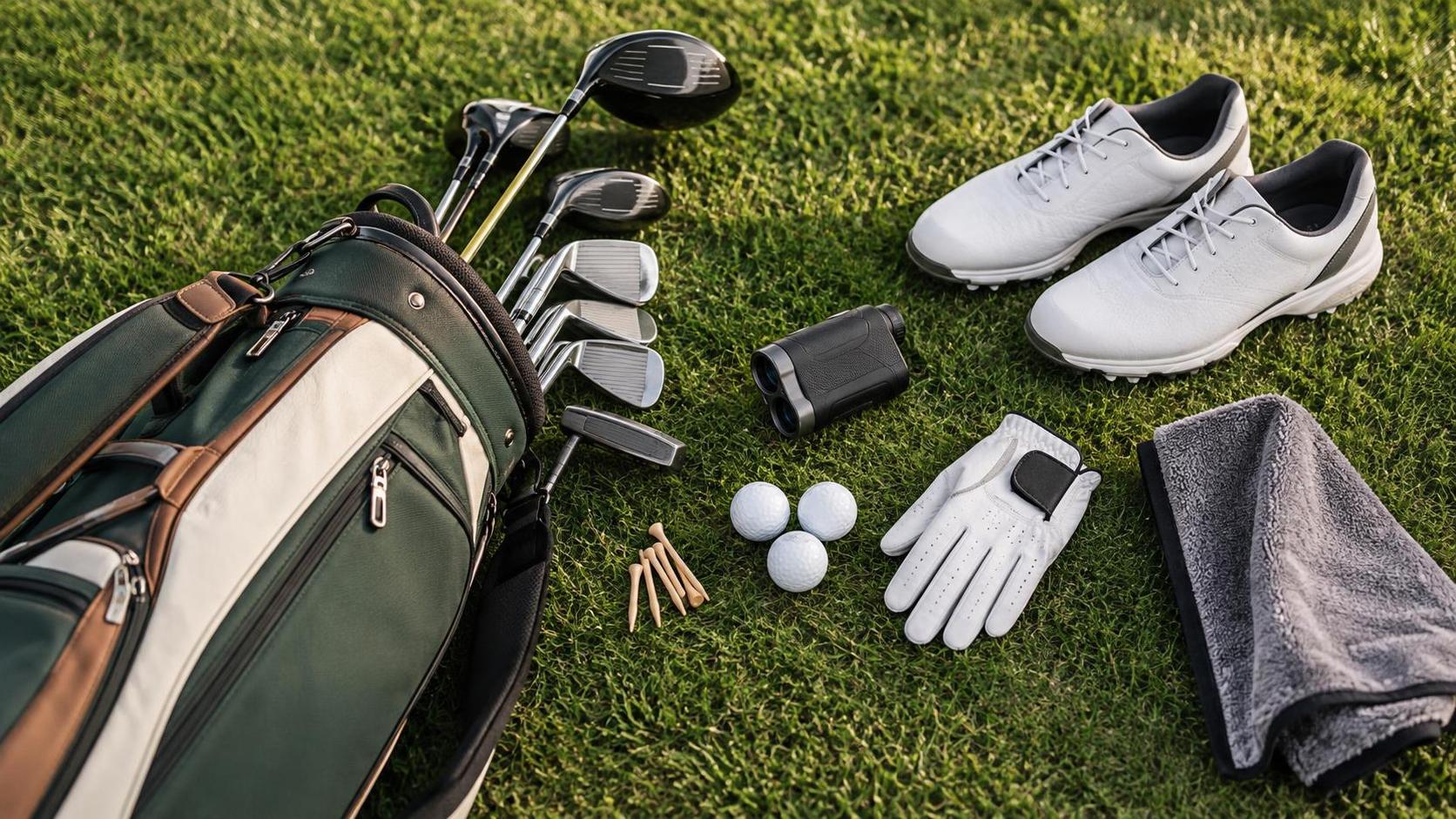
Build Your Bag Around Your Game
You are allowed up to 14 clubs, but you do not have to use every slot.
Instead of copying another golfer's bag, think about the shots you actually need to hit.
For example:
Driver → 5-Wood → 4-Hybrid → 5-PW → 50° → 56° → Putter
may be more useful to one golfer than:
Driver → 3-Wood → 3-Iron → 4-Iron → 5-Iron → ...
There is no universal setup.
Wondering what a good setup costs? Read next: Best Golf Equipment for Every Budget: From $500 to $2,000+
Final Thoughts
The best golf clubs are not necessarily the newest, most expensive, or most popular.
They are the clubs that match your game.
Consider your skill level, swing speed, handicap, typical misses, desired ball flight, and budget before making a purchase.
And when possible, test equipment before committing to an entire set.
Golf Gear House makes it easier to find new and pre-owned golf equipment for different playing styles and budgets.