Starting golf can be exciting, but choosing your first set of clubs can also feel overwhelming.
Walk into any golf store and you will see dozens of drivers, iron sets, wedges, putters, hybrids, and complete golf club packages. Add different shaft flexes, lofts, materials, and technologies, and it is easy for a new golfer to wonder:
What do I actually need?
The good news is that beginners do not need the most expensive clubs on the market. The right equipment should make the game easier, more forgiving, and more enjoyable while giving you room to improve.
This guide explains what to look for when buying your first golf clubs in 2026.
How Many Golf Clubs Does a Beginner Need?
Golf's Rules allow a player to carry a maximum of 14 clubs during a round. You do not have to carry 14, however.
A beginner usually does not need a full 14-club setup immediately.
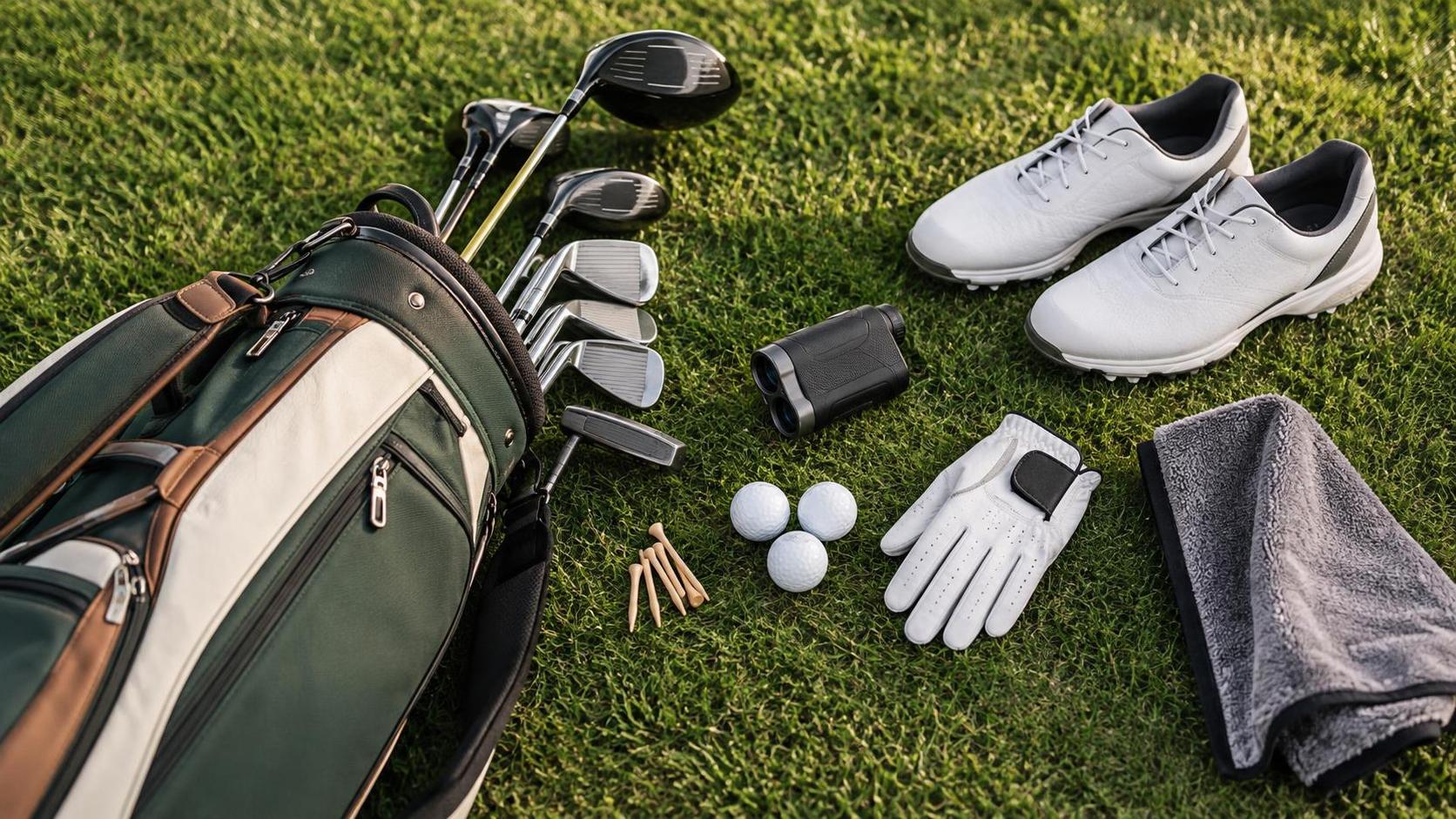
A practical beginner set might include:
- Driver
- Fairway wood
- Hybrid
- 5–9 irons
- Pitching wedge
- Sand wedge
- Putter
That is already enough to cover most situations on the course.
Some beginners may even prefer a smaller setup while learning the game.
The goal is not to fill every slot in your golf bag. The goal is to have clubs that give you useful distance gaps and are comfortable to hit.
Driver: Look for Forgiveness
The driver is often the most exciting club in the bag — and one of the hardest for beginners to hit consistently.
For a new golfer, forgiveness is generally more important than maximum distance.
A forgiving driver can help reduce the consequences of off-center contact and make it easier to keep the ball in play.
When choosing a beginner driver, consider:
- Larger clubhead designs
- Higher launch characteristics
- Appropriate loft
- A shaft that matches your swing
- Adjustable features if you want room to experiment
Do not choose a driver simply because it is the newest or most expensive model.
A club that fits your swing can be more valuable than a club with the highest price tag.
Fairway Woods and Hybrids
Long irons can be difficult for beginners.
That is where hybrids can be extremely useful.
A hybrid combines some of the characteristics of a fairway wood with the familiar shape of an iron. For many recreational golfers, hybrids are easier to launch and more forgiving than traditional long irons.
A beginner might choose:
Driver → Fairway Wood → Hybrid → Irons
instead of carrying several difficult long irons.
For example, replacing a 3-iron with a hybrid can make long approach shots much easier.
Choosing Beginner Irons
When shopping for irons, beginners should generally prioritize forgiveness and consistency.
Look for game-improvement or super-game-improvement designs rather than highly specialized players' irons.
Features worth considering include:
- Larger clubheads
- Wider soles
- Perimeter weighting
- Cavity-back construction
- A relatively forgiving face
- A comfortable shaft
These designs are intended to make mishits less punishing.
You do not need to buy professional-style irons simply because they look impressive.
Shaft Flex Matters
The shaft is one of the most overlooked parts of a golf club.
Golf shafts come in different flexes, commonly including:
- Ladies
- Senior
- Regular
- Stiff
- Extra Stiff
The correct choice depends on factors such as swing speed, tempo, delivery, and the specific club.
A beginner should not automatically choose Regular because it is the most common option.
Likewise, choosing Stiff simply because it sounds more "advanced" can be a mistake.
If possible, getting fitted or tested before purchasing can help you determine what actually works for your swing.
Graphite or Steel Shafts?
Both materials can be excellent.
Graphite
Graphite shafts are generally lighter and are common in drivers, woods, hybrids, and many iron sets.
They can be particularly appealing to golfers who benefit from lighter equipment.
Steel
Steel shafts are common in irons and wedges.
They tend to offer a different feel and weight profile and can be an excellent choice for golfers who prefer a more traditional setup.
There is no universal answer.
The best shaft is the one that matches your swing and produces a comfortable, repeatable result.
Should Beginners Buy a Complete Golf Club Set?
For many beginners, yes.
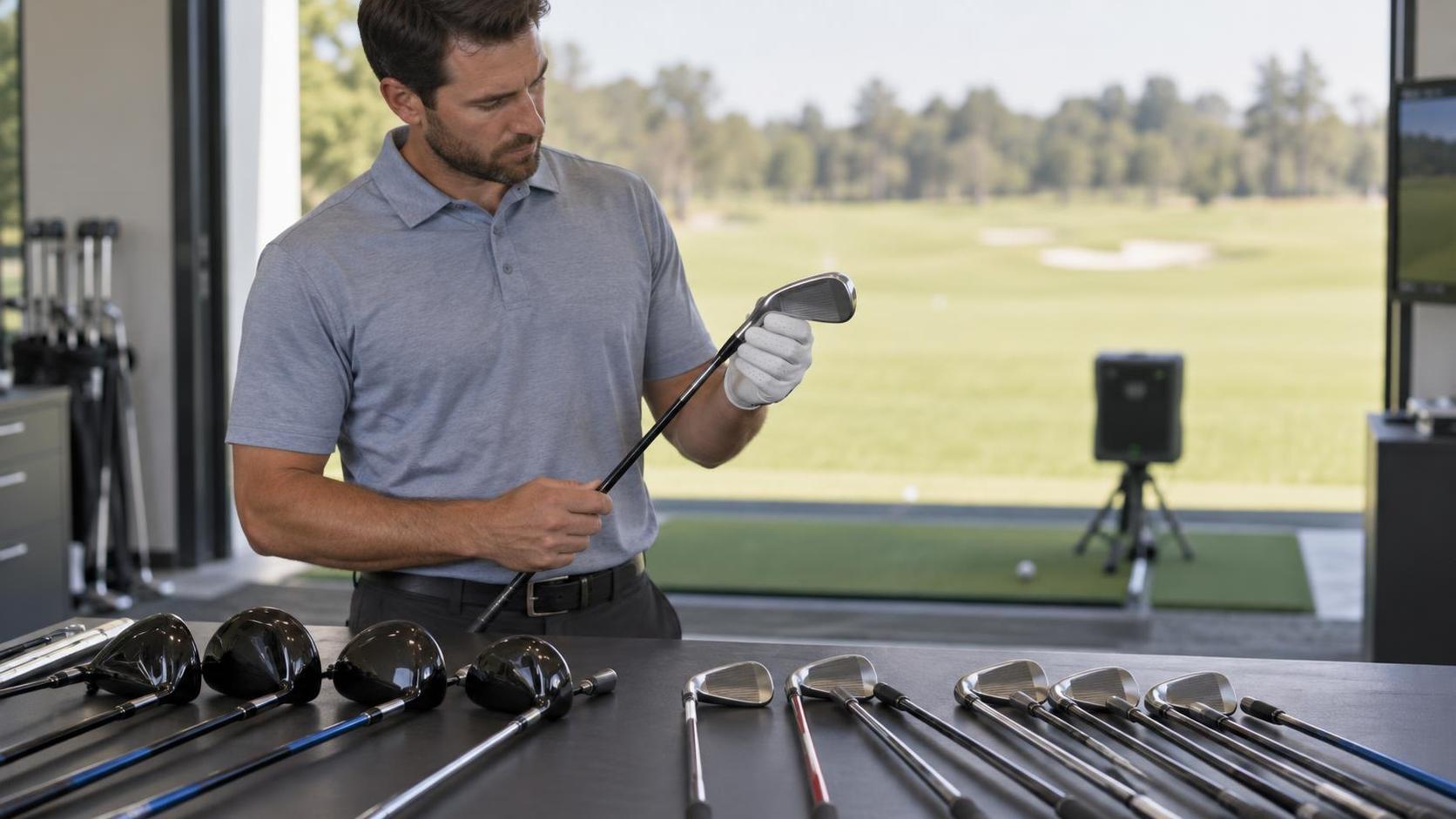
A complete set can be one of the easiest ways to get started.
Instead of purchasing every club individually, you receive a coordinated selection of clubs, usually along with a golf bag.
This can simplify the buying process and often makes budgeting easier.
However, individual clubs can make more sense if you already own some equipment or want to build your set gradually.
New vs. Pre-Owned Golf Clubs
Buying new is not your only option.
Pre-owned golf clubs can offer excellent value, particularly for beginners who do not want to spend thousands of dollars on their first setup.
A quality pre-owned club can provide much of the performance of a newer model at a lower price.
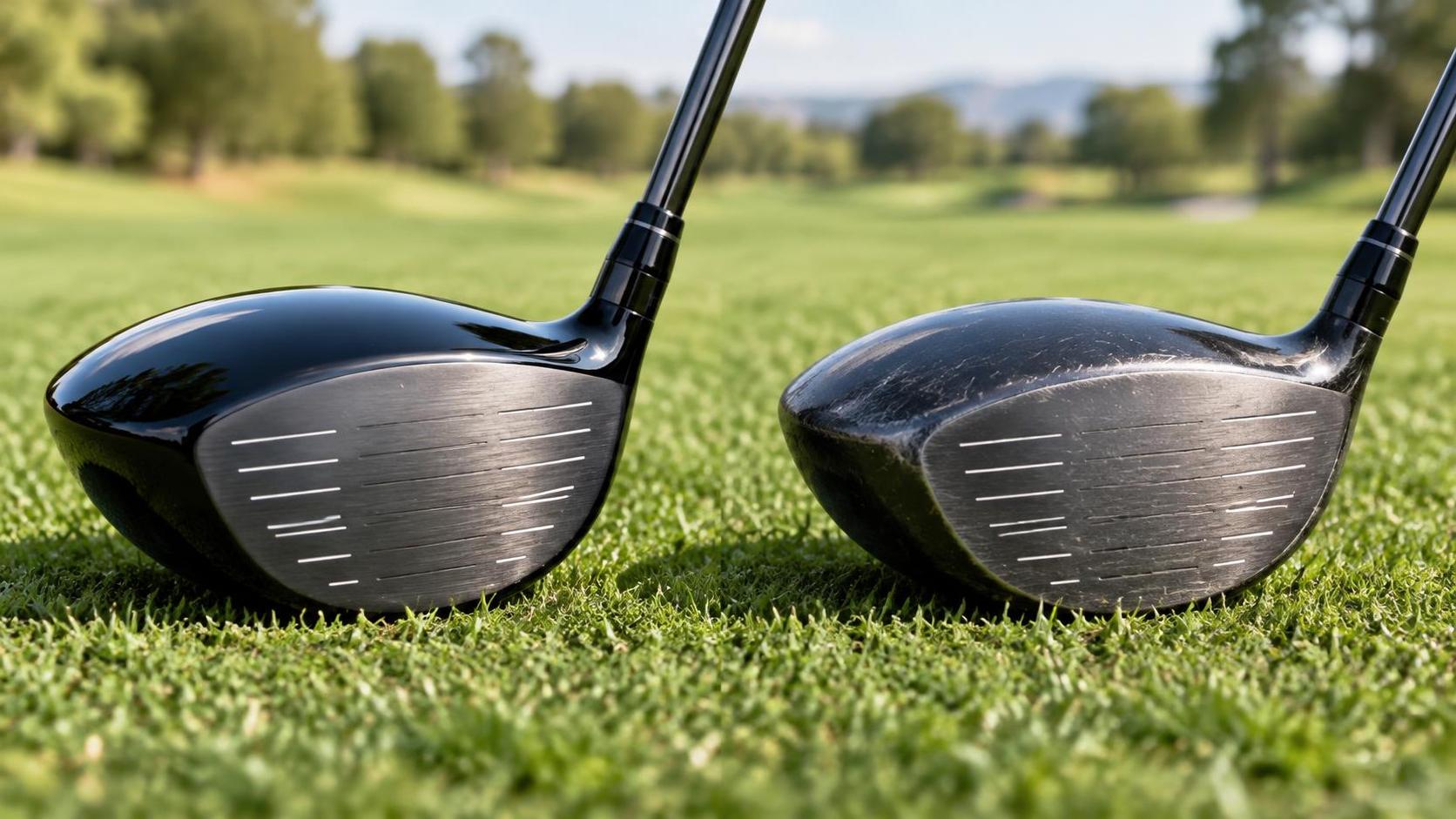
When buying used equipment, inspect:
- Clubface
- Grooves
- Shaft
- Grip
- Hosel
- Clubhead
- Signs of cracks or structural damage
Cosmetic wear is not necessarily a problem. What matters most is whether the club remains structurally sound and suitable for your game.
Not sure which way to go? Read our guide: New vs. Pre-Owned Golf Clubs: Which Should You Buy?
How Much Should a Beginner Spend?
There is no single correct budget.
A beginner can start with a relatively affordable pre-owned setup or invest more in a new complete set.
A useful approach is to decide how seriously you expect to play.
If you are simply testing golf for the first time, spending a fortune may not make sense.
If you already know that you want to play regularly, investing in better-fitting equipment can make more sense.
Final Thoughts
Your first golf clubs should make golf easier, not harder.
Prioritize forgiveness, appropriate shaft specifications, comfortable clubs, and a setup that fits your budget.
You do not need 14 expensive clubs to become a better golfer.
You need equipment that allows you to enjoy the game and improve.
Ready to build your first golf setup? Explore the Golf Gear House collection of new and pre-owned golf equipment.